When Compassion Gets Tired
By Jacco de Vin
Executive Director, Upper Room Mission
What happens to a community when compassion grows tired?
It’s a question I’ve been thinking about often lately.
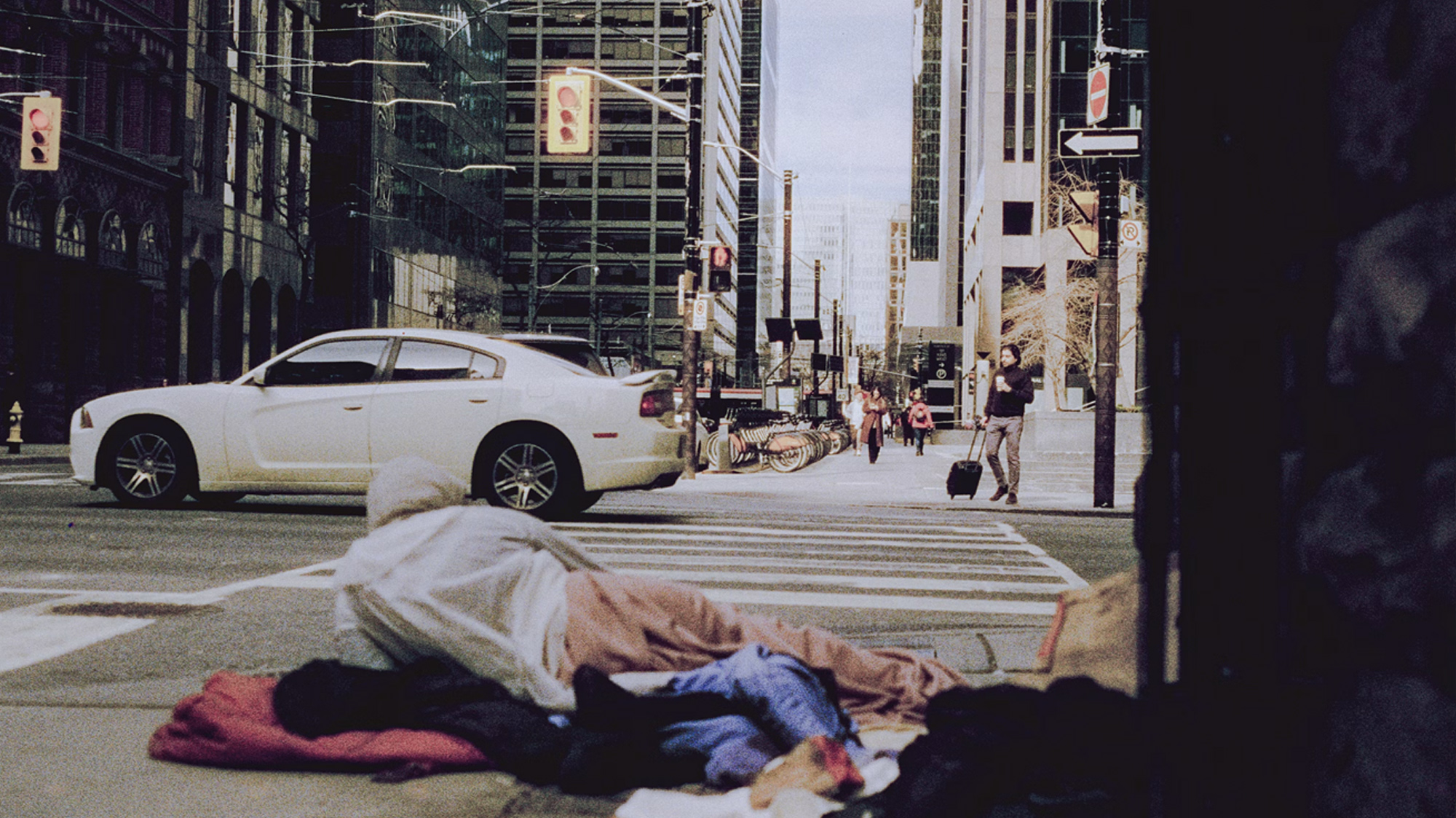
When I’ve had conversations about homelessness and addiction in our community, I often get the sense that many people feel overwhelmed. The constant news stories, public discussions, and social media conversations around encampments, substance use, homelessness, and poverty can leave people feeling discouraged and even hopeless.
For many, it may feel like despite all the attention, investment, and effort, the problems remain highly visible. Tents are still present. Addiction is still heartbreaking to witness. Poverty is still affecting people in our city every day.
And perhaps that leads many people to quietly wonder: Are things actually getting better? Does compassion still make a difference?
Before we answer that question, it’s worth asking another.
What is compassion?
Compassion is more than simply feeling empathy for someone. Compassion is the willingness to see another person’s suffering, be moved by it, and choose to respond with love. It is the first step toward hope because people rarely begin rebuilding their lives until they first know they are seen, valued, and not alone.
In many ways, compassion is the first ingredient of human flourishing. Before someone finds housing, begins recovery, reconnects with family, or secures employment, they often need someone willing to see them, welcome them, and believe they still have value. Compassion creates the trust that allows healing to begin.
At the same time, how do we hold onto our humanity while also acknowledging the very real challenges our community faces?
At the Upper Room Mission, we have the privilege of seeing both the struggles and the hope that often remain hidden from public view. We see people at some of the lowest moments of their lives, but we also see people rebuilding — reconnecting with family, beginning recovery journeys, accessing housing, and rediscovering dignity.
Those stories matter too.
None of this is simple. Supporting vulnerable people while addressing public safety and community concerns is complex work. But I do wonder whether our public conversations are increasingly being shaped by frustration alone.
What happens when compassion starts feeling conditional?
Can a community become so exhausted by visible suffering that it slowly loses its ability to care?
These questions are not meant to criticize. In fact, I remain deeply encouraged by the many individuals, churches, businesses, volunteers, staff, and donors who continue showing extraordinary generosity every single day. The Upper Room Mission could not exist without a compassionate community behind it.
For 45 years, the Mission has simply tried to remain faithful to the work of caring for people who are struggling — not perfectly, but consistently.
Of course we should continue striving for healing, recovery, housing, and long-term solutions. But perhaps part of the answer is also this: remaining steady.
Being a community that does not give up on people when problems become difficult or progress feels slow.
Because as our community grows, so too will the number of people who struggle. The question is whether they will face those struggles alone.
For 45 years, this community has helped ensure they do not.
So perhaps the conversation we need is not simply about frustration, but also about endurance, compassion, and what kind of community we want to continue becoming.
What do you think?
How are you feeling as you see these challenges in our community? Comment below
Want to talk to me about it? You can book a 1-1 with me here, I love the feedback: Book 1-1 with Jacco