
Is Addiction a Choice, Disease, or Something More?
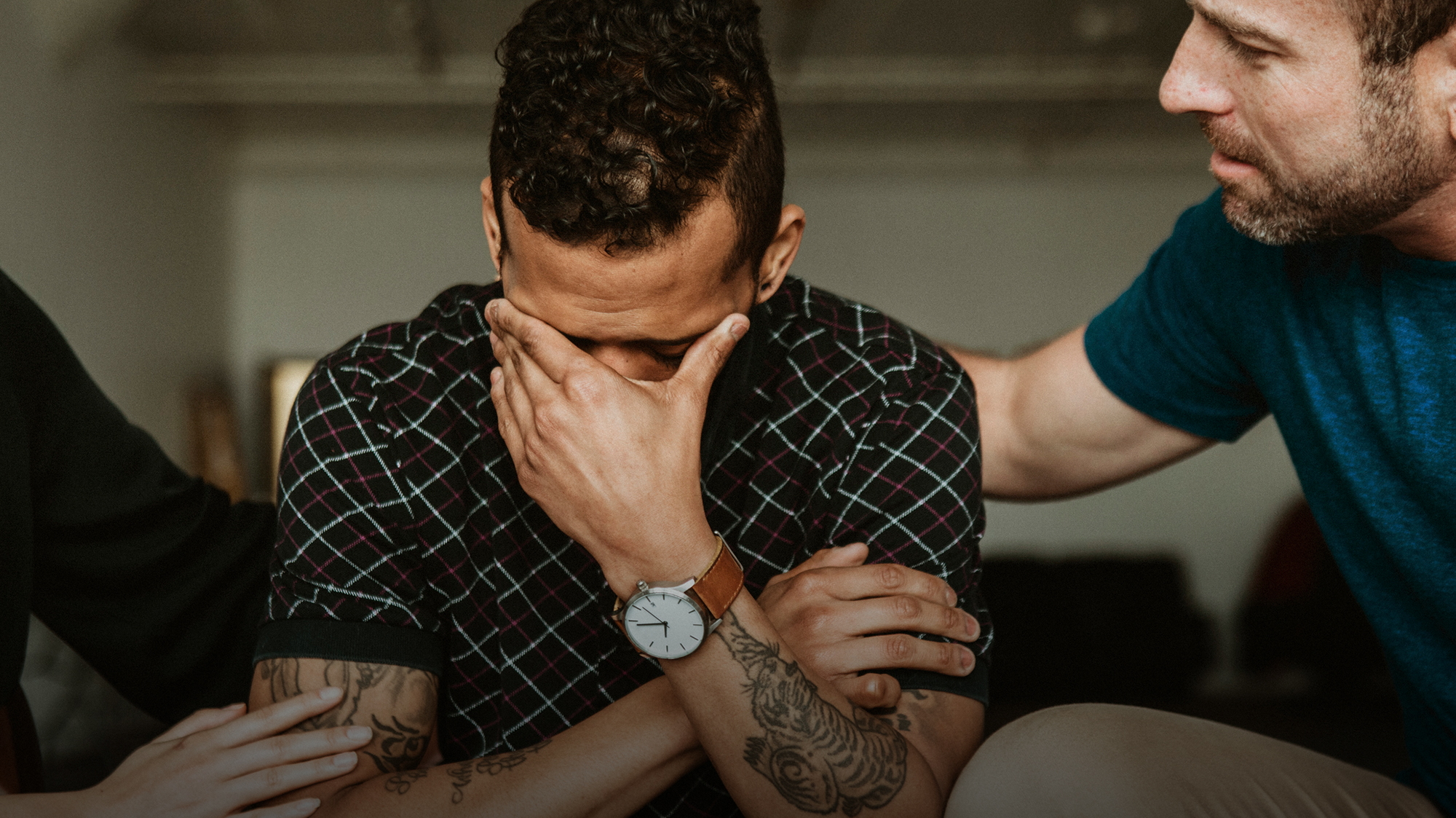
In my role at the Upper Room Mission, I get asked a lot of questions about the people we serve daily—especially around people struggling with addiction. Many of these questions, I believe, stem from misinformation and misunderstandings about human struggle.
Questions like:
“Why don’t they just stop using?”
“If they really wanted help, wouldn’t they change?”
“Why should we help people who continue making bad choices?”
“Are we enabling people by helping them?”
These questions are understandable, especially for those who have not lived close to addiction, homelessness, trauma, or poverty. But often these questions reveal how easy it is to reduce human struggle into simplistic explanations.
Recovering People
Recently, I read Recovering People by Quentin Genuis, an ER physician serving at St. Paul’s Hospital on the Downtown Eastside of Vancouver. It is a thoughtful, compassionate, and challenging look at addiction, recovery, and the role communities—and especially the Church—can play in walking alongside people who are struggling.
I would highly recommend this book, particularly for those interested in understanding addiction beyond stereotypes or simplistic answers. Genuis brings together his experience in emergency medicine, his Christian faith, and his frontline work among vulnerable populations to ask important questions about healing, dignity, responsibility, and belonging. (Link to the book at the bottom of this article)
One part of the book that stood out to me was his discussion of three different ways of understanding addiction: the choice model, the disease model, and the personal model. Each perspective offers something important to consider, and together they invite us into a deeper conversation about what recovery truly means and how we respond to people in crisis.
1. The Choice Model
The choice model understands addiction primarily as the result of personal decisions. In this perspective, people repeatedly choose substances or behaviours that provide comfort, relief, pleasure, or escape, and over time those choices become destructive patterns.
There is truth here. Choices matter. Recovery often involves difficult decisions, honesty, discipline, and taking responsibility for one’s actions.
But this perspective can also become overly simplistic if it ignores the realities many people carry beneath their addiction—trauma, abuse, mental illness, poverty, grief, isolation, or hopelessness.
It is easy to say, “Just stop,” when we do not understand what a person may be trying to survive internally.
2. The Disease Model
The disease model sees addiction primarily as a chronic medical condition that changes brain chemistry, behaviour, and impulse control.
One of the strengths of this model is that it reduces shame. Many people trapped in addiction already carry deep guilt and self-hatred. Understanding addiction as an illness can create compassion and help people seek treatment without feeling condemned.
At the same time, some critics worry this model can unintentionally remove too much personal agency, as though individuals are powerless to participate in their own recovery.
And while biology matters, addiction is rarely only biological.
3. The Personal Model
The personal model attempts to hold together both responsibility and compassion. Rather than reducing addiction to either “bad choices” or “brain disease,” this perspective sees addiction as deeply connected to the whole person.
People are not simply brains or behaviours. They are emotional, relational, spiritual, and wounded human beings.
In my experience, this perspective resonates deeply with the realities we see every day at the Upper Room Mission. Many people struggling with addiction are not simply pursuing pleasure—they are attempting to survive pain.
The personal model does not remove responsibility, but it reminds us that people are shaped by stories, environments, wounds, and relationships. It asks us to see people not as problems to fix, but as human beings to understand and support.
What do you think?
When you think about addiction, do you primarily see it as a matter of choice, a disease, or a deeply personal response to pain and brokenness? Or perhaps some combination of all three?
We’d love to hear your thoughts and experiences. Leave a comment below and join the conversation as we seek to better understand addiction, recovery, and how we can respond with both truth and compassion.
If you are interested to buy the book: Recovering People, you can buy it here on Amazon
Elaine
Thank you for this.
Elaine
I really like the Personal Model. None of us really understand it all unless we have walked the road. All walk it somewhat differently also due to various hurts etc.
thank you for this. God bless as you touch lives🙏🏻🙏🏻
$MLZ
I’d say it’s mainly because people feel like they’ve fallen through the cracks most addiction and homelessness from homeless people all stem from a certain situation in their life I like to go around and ask people what their story is and lots of the females didn’t become full-blown addicts or Street people until their life was shattered by having their children removed
Or because their housing suddenly became destabilized
Some people it’s because it’s hard for them to get a job in this community because people are clicky and if you’re not from here they’re not very welcoming if you already have a bad name for yourself from being on the street it’s hard to get that reputation off sometimes the longer someone’s been recognizing that community is a street person you can’t get it off to the best advice to give them it would be too move to another community because you’re in a new community they don’t know your background they don’t know if you’ve been surviving for the last how many years they don’t know if you’re left with mcfd PTSD
They don’t know if your schizophrenic and untreated they don’t know if you have grief issues and it’s untreated they don’t know you it’s a fresh start and sometimes that’s what people need to because people have become more judgmental and I find are very stereotypical and have a hard time deceiving homelessness from drug addiction which they kind of conflate into the same category which really doesn’t help anybody..there IS a big difference