Human Flourishing: Why Early Intervention Matters
In the first article in this series, “Deaths of Despair: What Happens When Hope Begins to Fade?”, we explored what can happen when despair takes root in a person’s life. Homelessness and addiction are often visible chapters in someone’s story, but they are rarely the beginning. Behind the crisis there may be years of accumulated loss, trauma, anxiety, broken relationships, isolation, mental health struggles, and diminishing hope.
I shared the story of one of our day guests who desperately needs a safe place to sleep. Yet his overwhelming anxiety and fear, combined with his dependence on alcohol to cope with those feelings, make it difficult for him to enter our shelter. The barrier isn’t simply the lack of a bed. The deeper barrier is the fear of losing the coping mechanism that helps him manage emotions he doesn’t yet know how to face.
His story reminds us that by the time someone reaches homelessness or addiction, the challenges they are facing may be much deeper than what we can see on the surface.
That led us to the second article, “Human Flourishing: Building Lives Worth Living.” If despair can grow when the foundations of life begin to crumble, perhaps we need to ask a different question: What helps people flourish?
Human flourishing is about much more than simply avoiding crisis. It includes the things that help all of us live meaningful and fulfilling lives—good physical and mental health, meaningful relationships, purpose, financial and material stability, personal growth, belonging, and hope.
For the Mission, helping people survive is essential. But survival is not the destination. We want to see people thrive.
And that brings us to another important question:
When should we intervene?
Why Early Intervention Matters
Too often, our systems are designed to respond only after someone has reached crisis. We wait until housing is lost, addiction has taken hold, relationships have broken down, or mental health has deteriorated to the point where emergency services are needed. By then, the road back can be long and difficult.
But what if we shifted our focus?
What happens before someone becomes homeless? What warning signs do we often miss? Why is it so difficult to help people once they’ve reached crisis? And what role can families, churches, neighbours, schools, businesses, and community organizations play before someone reaches that point?
Early intervention matters because it changes the entire trajectory of a person’s life. Instead of responding to collapse, we are strengthening stability. Instead of repairing damage, we are preventing it. And instead of waiting for systems to be overwhelmed, we are stepping in when support is still simple, relational, and effective.
When we intervene early:
- Small challenges can be addressed before they become overwhelming crises.
- People may be more likely to accept help because trust has not yet been eroded.
- Families have a better chance of staying connected and intact.
- Mental health struggles can be supported before they escalate into crisis-level distress.
- Food insecurity can be addressed before it contributes to deeper instability.
- Employment challenges can be supported before a temporary setback becomes long-term poverty.
- The cycle of poverty, addiction, and isolation can be interrupted before it deepens.
In other words, early intervention is not just about efficiency—it is about preserving dignity, relationships, and hope.
Throughout this series, one idea continues to emerge:
The earlier we intervene, the greater the opportunity for people struggling to flourish.
Early intervention doesn’t always require a major program or significant investment. Sometimes it begins with something much simpler.
- A trusted relationship with someone a person can turn to when life becomes difficult.
- Someone who notices that a friend, neighbour, coworker, or family member is struggling and chooses to come alongside them.
- Early access to counselling or mental health support.
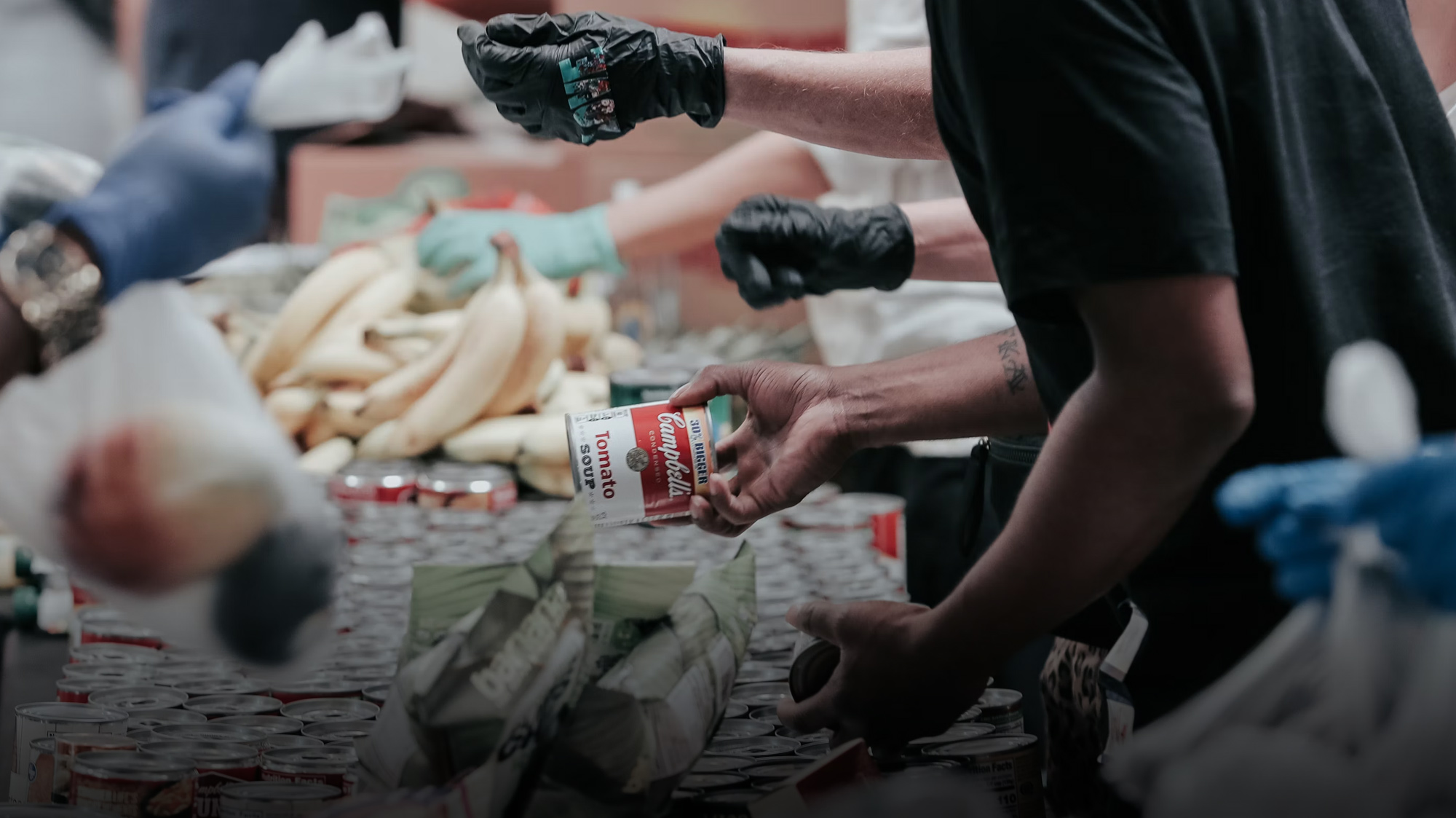
- Food security during a difficult season through hampers and other resources.
- Employment support after a job loss.
- Helping someone reconnect with family.
- Or simply creating a place where a person experiences genuine belonging.
These seemingly small moments can change the trajectory of a life.
They remind us that preventing despair is not the responsibility of a few. It is the shared work of an entire community.
And perhaps this is where the conversation about human flourishing becomes especially important.
If we want to prevent deaths of despair, we cannot wait until people are already in despair.
If we want to reduce homelessness, we cannot wait until someone has lost their housing.
If we want to address addiction, we cannot wait until substance use has taken over someone’s life.
We need to become better at recognizing the early signs that a person’s foundations are beginning to crumble—and better at creating pathways back to connection, stability, purpose, and hope.
What Could Early Intervention Look Like in Vernon?
This is where the conversation becomes bigger than the Upper Room Mission.
What if our community became better at noticing people before they reached crisis?
What if, instead of waiting for things to fall apart, we could offer support early—when anxiety first appears, when financial strain begins, or when someone starts to feel isolated or overwhelmed?
What if help was available before a setback became a crisis, and before people felt like they had to face everything alone?
These are not easy problems to solve. But they are questions worth asking.
Because the goal isn’t simply to build better systems for responding to people after they fall.
The goal is to build a community that helps people stay standing.
That is what early intervention is about.
We have said our vision is to see people exit homelessness, addiction or poverty. For this to happen, we need a compassionate community willing to prevent people from falling into despair.
What do you think?
Have we as a community become too focused on responding to homelessness and addiction after they occur, and not focused enough on preventing the despair that often comes first? I’d love to hear your thoughts. Leave us a comment.
Support our work
If you feel connected to our work and want to make a difference in people’s lives, please support our work. We are a donor-supported organization; together, we can make a difference.
Looking Ahead
In the next two parts of this series, we’ll first explore how the idea of human flourishing connects directly to the work we do at the Upper Room Mission, especially in how we assess and walk alongside our guests. When someone begins to see a more hopeful outlook on life, they are often more open—and more motivated—to make meaningful changes in their circumstances. Then, we’ll turn our attention to the upcoming Vernon City Council election and consider how human flourishing should shape the questions we ask our leaders, so that we can make wiser, more intentional investments in the well-being of our community. If you are interested in these future posts, please sign up for our newsletter. (In the right column of this page)
Because flourishing doesn’t happen alone.
We flourish together.
HERE’S HOW YOU CAN HELP:
Donate
Every dollar provides meals, shelter, and life-changing resources.
Volunteer
Serve meals, sort donations, or lend a helping hand. [Join Us]
Advocate
Contact the City of Vernon and urge them to support the creation of more affordable housing in our community. [Advocate].
Together, we can break the cycle of homelessness and build a future where everyone in Vernon has a place to call home. Will you help?