What Kind of Community Are We Building?
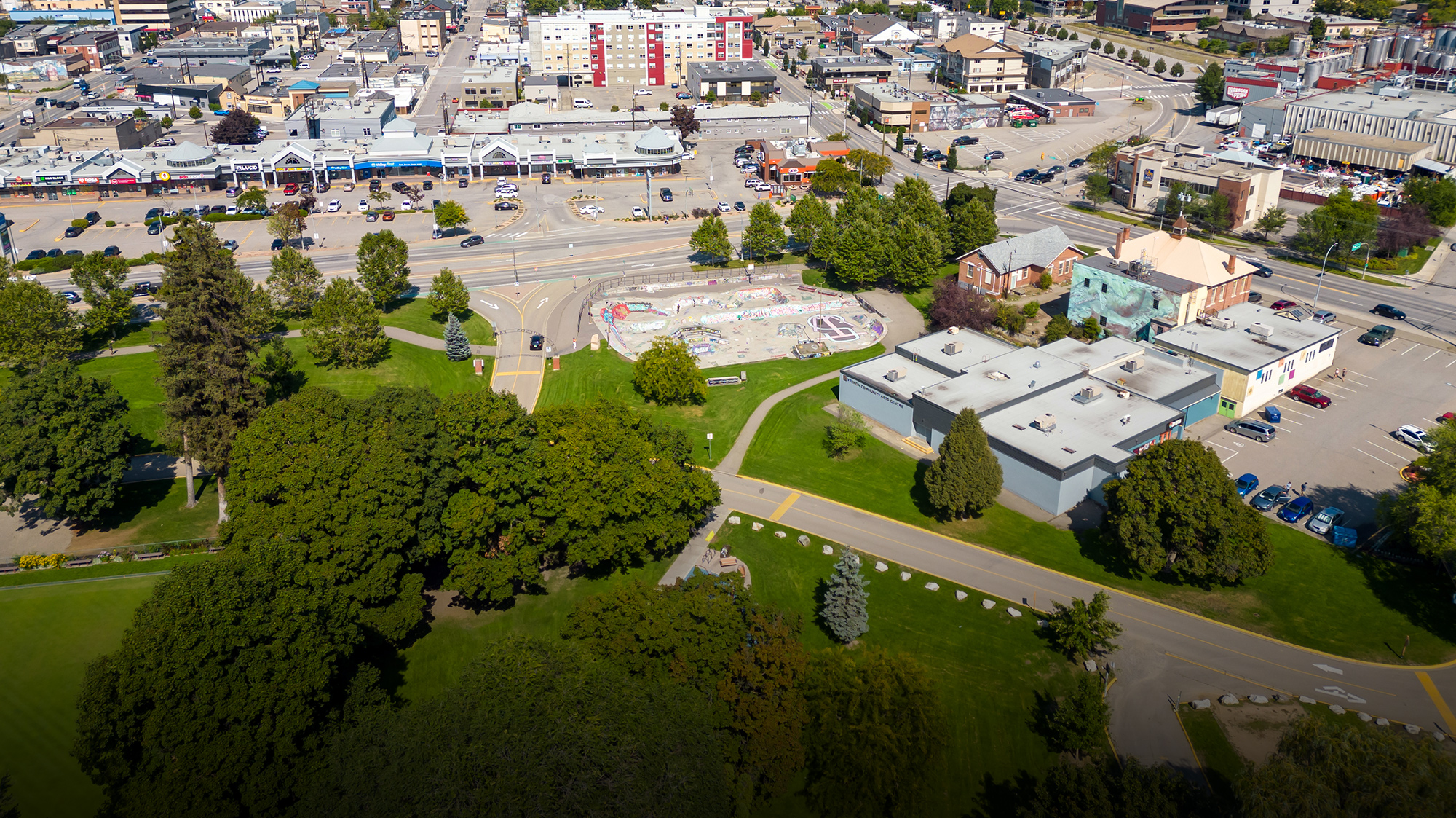
As we approach another local government election, there is a lot of discussion about what needs to change in our community. We hear conversations about housing, homelessness, addiction, public safety, economic development, taxes, infrastructure, and the future of Vernon. And understandably, we want change. We want our community to be a safe, healthy and vibrant place to live.
But perhaps there is a deeper question we should be asking as we decide who will lead our community: What kind of community do we want to become?
Over the past year, I have been thinking a lot about the idea of human flourishing. What does it mean for a person to flourish? And what does it mean for an entire community to flourish?
Human flourishing is more than wealth, comfort and material security, which can certainly be good things, but they don’t automatically mean that a person is flourishing. Human flourishing is about having a sense of purpose, belonging, meaningful relationships, stability, opportunity, dignity and hope. A flourishing person is not necessarily someone who has a perfect life or never experiences hardship. Rather, it is someone who has the relationships, resources, opportunities and support needed to move toward a healthy and meaningful life.
If that is true for individuals, perhaps it is also true for communities.
A flourishing community is more than a community with a strong economy, good infrastructure and attractive neighbourhoods. Those things matter, but they are part of something bigger. A flourishing community is one where people have opportunities to participate, contribute and belong. It is a community where families can find stability, young people can see a future, seniors are not isolated, people experiencing hardship are not forgotten, and those who have fallen into despair can find pathways back toward hope.
This matters when we talk about homelessness and addiction.
When we encounter someone living on the street, it can be easy to see the immediate problem in front of us. We see homelessness. We see substance use. We see someone struggling in a public space. But homelessness is often the visible expression of a much longer story. Before someone becomes chronically homeless, there may have been years of poverty, trauma, family breakdown, addiction, isolation, unemployment, mental-health challenges, loss of relationships and, eventually, loss of hope.
Despair rarely happens overnight.
If we want to address homelessness and addiction in a meaningful way, we need to think about how we create a community where people have opportunities to experience connection, stability, purpose and hope before they reach that point.
This is where local leadership matters.
No mayor or city council can solve homelessness, addiction or poverty on its own. These are complex issues involving individuals, families, health care, housing providers, nonprofits, businesses, churches, Indigenous communities, provincial and federal governments and many others. But local government does influence the environment in which all of these people and organizations operate.
The decisions made by elected officials affect housing, development, transportation, public spaces, economic opportunity, community safety, infrastructure and the partnerships that help support people who are struggling. Just as important, leadership influences what we prioritize, what we talk about, what we measure and whether we are willing to work together toward long-term solutions.
So, as we approach an election, perhaps we should think beyond political labels.
It is easy to ask whether a candidate is conservative or progressive, whether they represent the political perspective we identify with, or whether they agree with us on the issues that matter most personally. Those questions may be important to us. But perhaps they shouldn’t be the only questions we ask.
Perhaps we should also ask: What kind of community will this person’s leadership help us build?
Will their vision contribute to a community where people have greater opportunities to flourish? How do they understand the challenges facing people who are struggling? What do they believe can be done before someone reaches chronic homelessness or addiction? How do they see the role of housing, community connection, economic opportunity and prevention? Are they willing to work with organizations and people across different sectors and perspectives? And how will they know whether the decisions they make are actually improving people’s lives?
These questions don’t have simple answers. We will disagree about priorities, the role government should play, and how resources should be directed. Those disagreements are a normal and important part of democracy.
But perhaps we can still share a common goal.
We want Vernon to flourish.
And that means thinking beyond how our community looks or how much it grows. We need to ask how the people who live here are doing.
Are people connected? Do families have support? Do young people see a future? Can people find housing and meaningful work? Do people struggling with addiction have pathways toward recovery? Can someone who becomes homeless find a pathway back to stability? Are we addressing problems before they become crises?
A flourishing community will never be free of struggle. But it can be a community where people don’t have to face those struggles alone—a community where there are pathways back, where people can find belonging and purpose, and where we work to address despair before it becomes entrenched.
As we choose our local leaders, perhaps we should look beyond the question, “Who agrees with me?”
Perhaps we should also ask:
“What kind of community will their leadership help us build?”
We all want change. The question is what kind of change will help more people live with dignity, purpose, connection and hope.
What would it look like for Vernon to become a community where more people can flourish?
Perhaps that is a question worth asking before we cast our vote.
Be the Change:
Support the Upper Room Mission
Homelessness in Vernon affects us all, but together, we can make a difference. At Upper Room Mission, we provide hot meals, shelter, and vital support services to help people take steps toward stability. But we can’t do it without you.
Here’s How You Can Help:
Donate
Every dollar provides meals, shelter, and life-changing resources.
Volunteer
Serve meals, sort donations, or lend a helping hand. [Join Us]
Together, we can break the cycle of homelessness and build a future where everyone in Vernon has a place to call home. Will you help?