Volunteering and Human Flourishing: More Than Filling a Shift
In my last few posts, I’ve been exploring the idea of human flourishing—what it means for a person not simply to survive, but to experience a life marked by dignity, connection, purpose, hope and the possibility of something better.
If you’ve followed along, you may remember that I promised my next post would explore how human flourishing connects directly to the work we do at the Upper Room Mission, particularly in how we assess and walk alongside our guests. I’m going to take a bit of a detour from that topic, but I don’t think it is really a detour at all. Before we can talk about measuring human flourishing or helping someone move toward greater stability, we need to recognize one of the most important ingredients in that journey: people who are willing to walk alongside others.
That brings me to volunteering.
More Than Filling a Shift
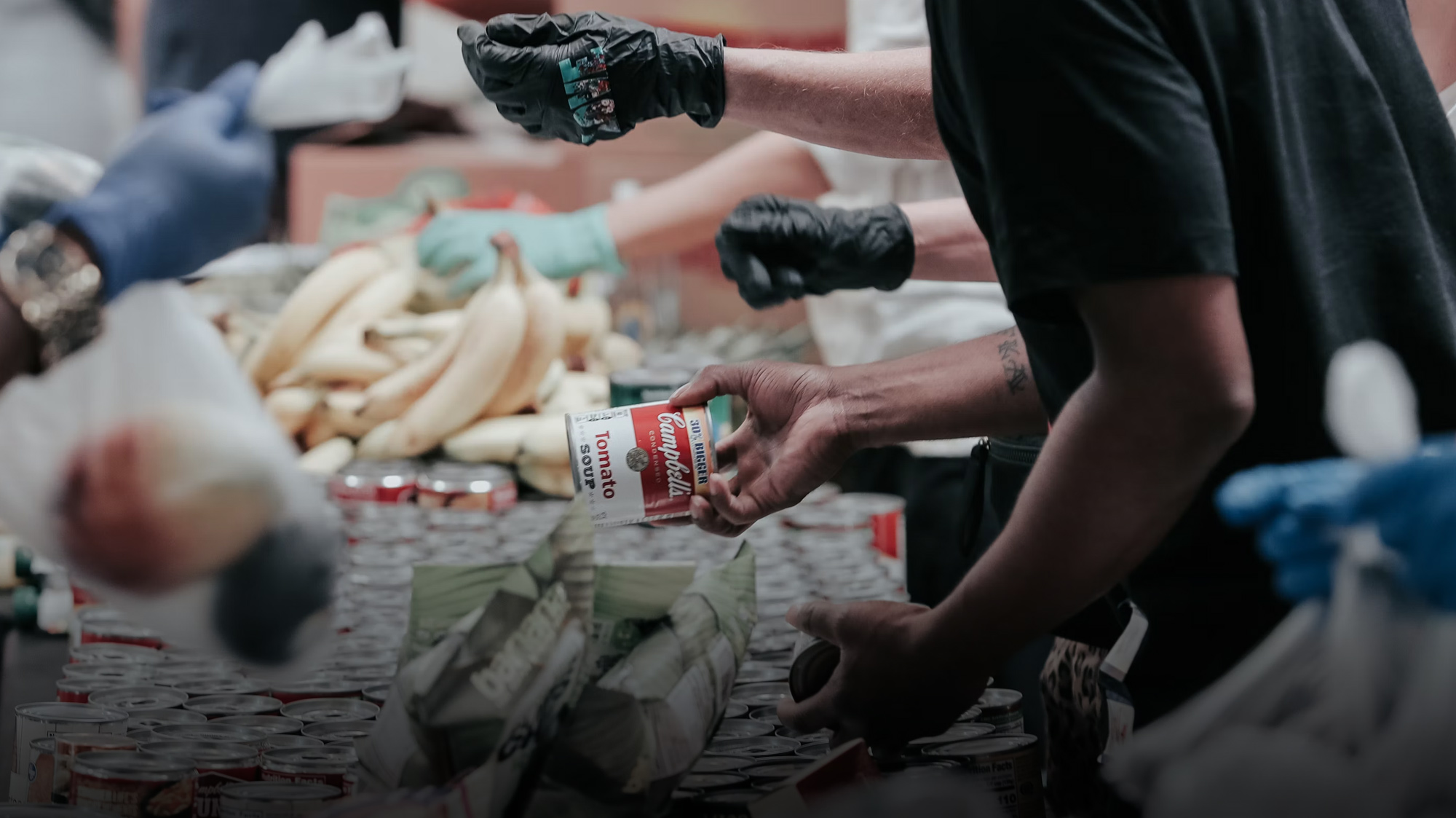
At the Upper Room Mission, there is no shortage of practical things that need to be done. Meals need to be prepared and served. Clothing needs to be sorted and distributed. Donations need to be organized. Laundry needs to be done, tables need to be cleaned, and spaces need to be prepared for the people who come through our doors each day. These things matter. Our programs could not operate without the many volunteers who give their time and energy to make them possible.
But I sometimes wonder if we unintentionally reduce volunteering to the task itself. We talk about filling a shift, covering a position or getting a particular job done. While those things are necessary, they don’t tell the whole story of what happens when someone volunteers at the Mission.
A meal is never just a meal. When a volunteer serves someone lunch, there is an opportunity to look that person in the eye, learn their name, ask how they are doing and perhaps hear a little of their story. When someone helps a guest find a clean change of clothing, they are doing more than distributing donated items. They are helping restore a small measure of dignity. When someone takes the time to sit and have a conversation, they are communicating something that can be surprisingly powerful: you are worth my time.
The task matters, but the relationship matters too.
The Connection to Human Flourishing
In my earlier posts, I explored how isolation, poverty, addiction and homelessness can affect a person’s sense of hope and possibility. I also introduced human flourishing and the importance of early intervention in helping people build lives marked by dignity, connection and purpose.
Deaths of Despair: What Happens When Hope Begins to Fade
Human Flourishing: Building Lives Worth Living
Human Flourishing: Why Early Intervention Matters
Together, these ideas point to an important truth: people need more than services. They need relationships, dignity, belonging and hope.
That is why the way we serve people matters. At the Upper Room Mission, meals, showers and clothing are essential, but we also want to create a place where people feel welcomed, known and valued.
This is where our volunteers play such an important role.
Creating a Community Where People Belong
Human flourishing doesn’t happen in isolation. We flourish in relationship with other people. We need community, and we need to know that we matter to someone.
For a person who has experienced repeated rejection, isolation, addiction, poverty or homelessness, that sense of belonging can be difficult to find. It can be easy for someone to begin to believe that they are defined by their circumstances or by the labels others have placed on them.
Something as simple as being welcomed by name can begin to challenge that.
A volunteer who consistently shows up and gets to know the people who come through our doors begins to build relationships. Over time, a guest may come to expect that familiar face, that conversation or that simple greeting. These interactions may seem ordinary to the volunteer, but they can communicate something deeply significant to the person receiving them: I am seen. I am remembered. I am not invisible.
We should never underestimate the importance of that.
Sometimes the beginning of change is not a formal program or a carefully developed intervention. Sometimes it begins with a relationship that gives someone enough hope to believe that something different might be possible.
Hope Often Begins in Relationship
One of the things I have learned through my work at the Mission is that meaningful change rarely happens simply because we tell someone what they need to do. People may know that they need to find housing, address an addiction, reconnect with family, obtain identification, manage their finances or make other significant changes in their lives. Knowing what needs to change and believing that change is possible are two very different things.
When someone begins to develop a more hopeful outlook on life, they are often more open—and more motivated—to make meaningful changes in their circumstances. That is one of the reasons we believe relationships are so important to the work we do.
A volunteer is not expected to solve someone’s homelessness or addiction. You don’t need to be a counsellor, social worker or housing specialist. Our staff and community partners provide the specialized support that our guests need. What a volunteer can offer is something different but equally important: a consistent human presence.
You can listen without judgment. You can have a conversation. You can laugh with someone. You can remember their name. You can treat them with respect. You can be someone who shows up again next week.
You may never know what impact those interactions have.
An Invitation to Volunteer
So, why volunteer at the Upper Room Mission?
Certainly, there are practical needs. We need people who can help prepare and serve meals, organize clothing, sort donations and keep our spaces welcoming. We need people who can give a few hours each week, a few hours each month or even help on an occasional basis. Every volunteer contributes something that allows us to serve more people in our community.
But I hope volunteering can be seen as more than simply meeting those practical needs.
When you volunteer at the Mission, you are participating in the creation of a community. You are helping create a place where someone who may have felt forgotten can experience connection. You are helping create moments where someone can experience dignity. You are helping create an environment where hope can begin to take root.
You may arrive thinking that you are there to serve a meal, sort clothing or help with a particular task. And you will do those things. But you may also discover that the most meaningful part of your time is the conversation you have while doing it, the person you get to know or the guest who begins to recognize you because you keep showing up.
By volunteering, you are helping create the kind of community where someone begins to believe that their life can be different.
And perhaps that is where human flourishing begins.
Here is a link to volunteer application